Devtool Obsession
First Bun + Anthropic. Now Astro + Cloudflare. The devtool space is heating up in a very AI world!


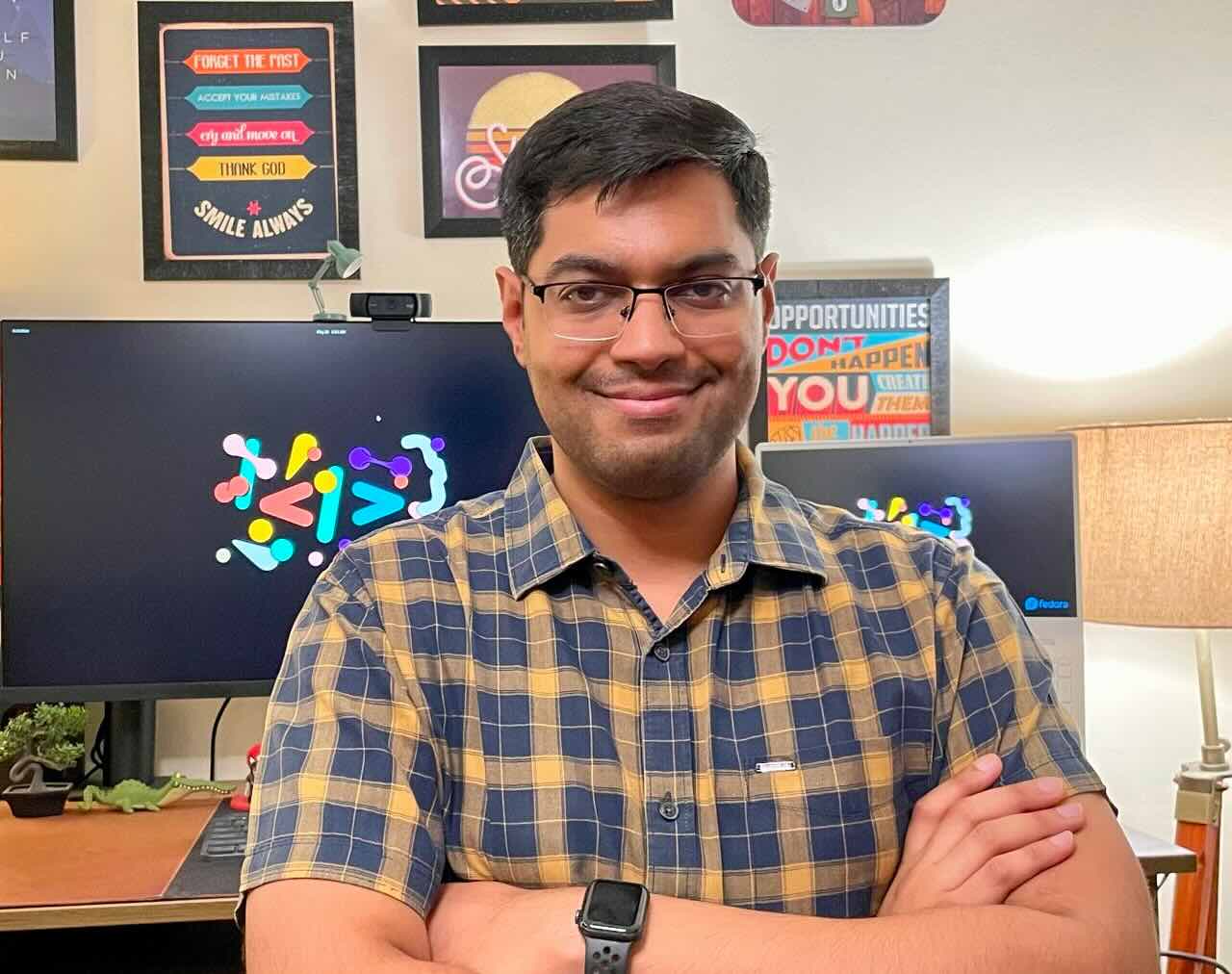
Welcome to the garden of Anurag Bhandari the developer, a generalist software engg.
This little space on the web is where I write about my coding (mis)adventures, share bookmarks, and scribble short notes to help my future self (and you?) learn something useful.
🎩 Hats I have worn over the years:
Full-Stack Engineer, Engineering Manager, Frontend Architect, Applied R&D Technologist, Linux
Developer, OSS Founder, and "the guy who'll fix my computer".
I love experimenting with shiny new things ✨, learning through knowledge sharing 📣, and spraying emojis 🙂.
Find me on
First Bun + Anthropic. Now Astro + Cloudflare. The devtool space is heating up in a very AI world!
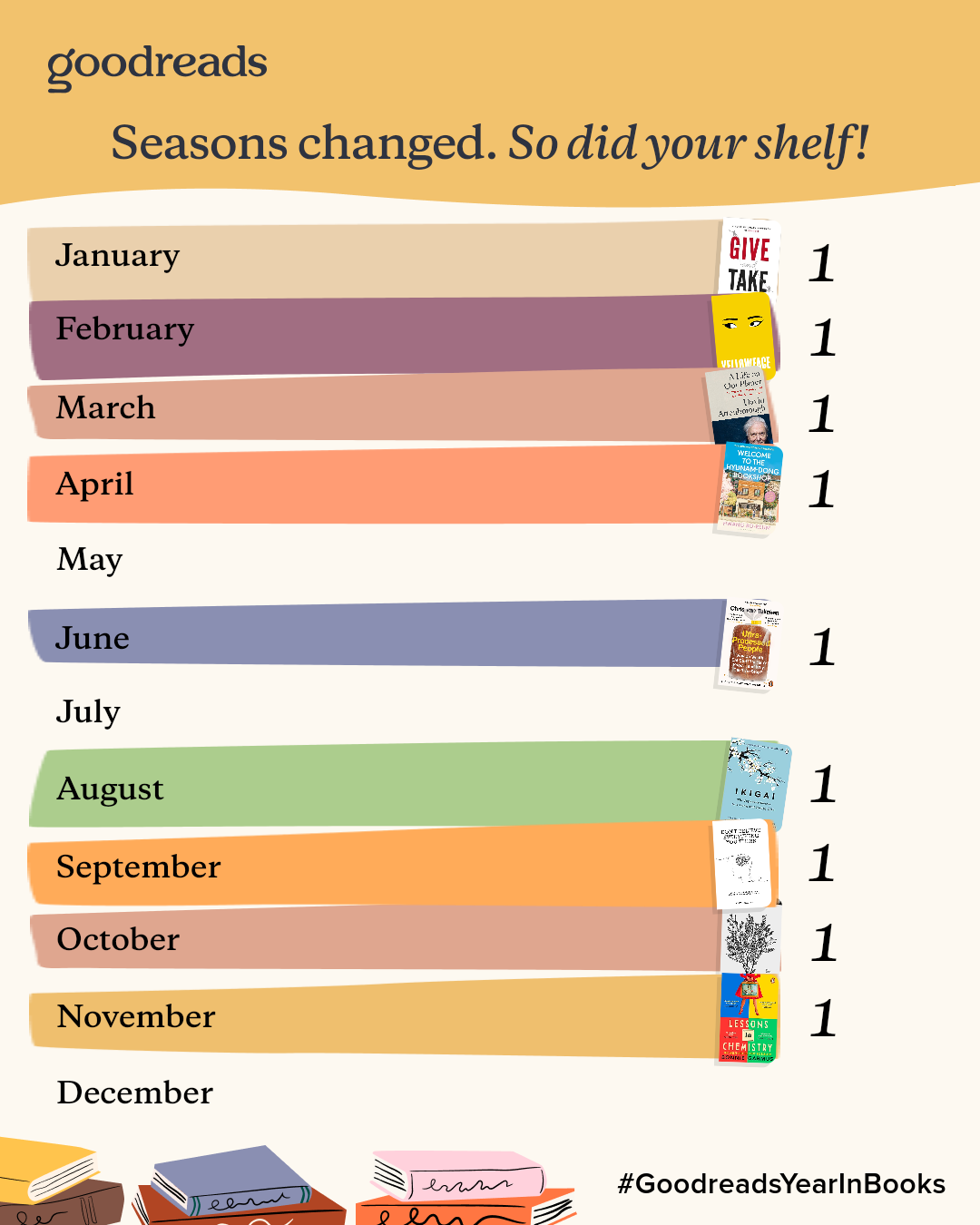
Seasons changed and so did my shelf. Indeed. May and July were two of my toughest months in 2025. I fell short of my target of 12 books. But I finished 9! They spoke to me, supported me, transported me. Here’s to more stories in 2026.
Certainty in uncertain times goes a long way in approaching touch situations with calm and clarity.
What not to prematurely optimize is one of the most important engineering decisions in system design. Like how Dropbox avoided generating preview thumbnails for all uploaded video/images based on their data-backed insight that most such files will never be viewed in a search result. Saved them both storage and compute costs.
Tap compare, what a clever way to migrate from one tech stack to another in production. Sounds like a beginner interviewer shadowing an experienced one in real interviews.